
Change is constant here at Canada’s Cold War Museum — from new exhibitions and interactives to the many events we host each year. But some of the most impactful changes take place behind the scenes.

Investing in our facility is vital in preserving and extending the life of the Diefenbunker — a national historic site. Over the last year and a half, we completed several major infrastructure projects to improve sustainability and operational efficiency across the site. This was made possible thanks to an investment from Housing, Infrastructure and Communities Canada, announced in 2024.
Infrastructure enhancements
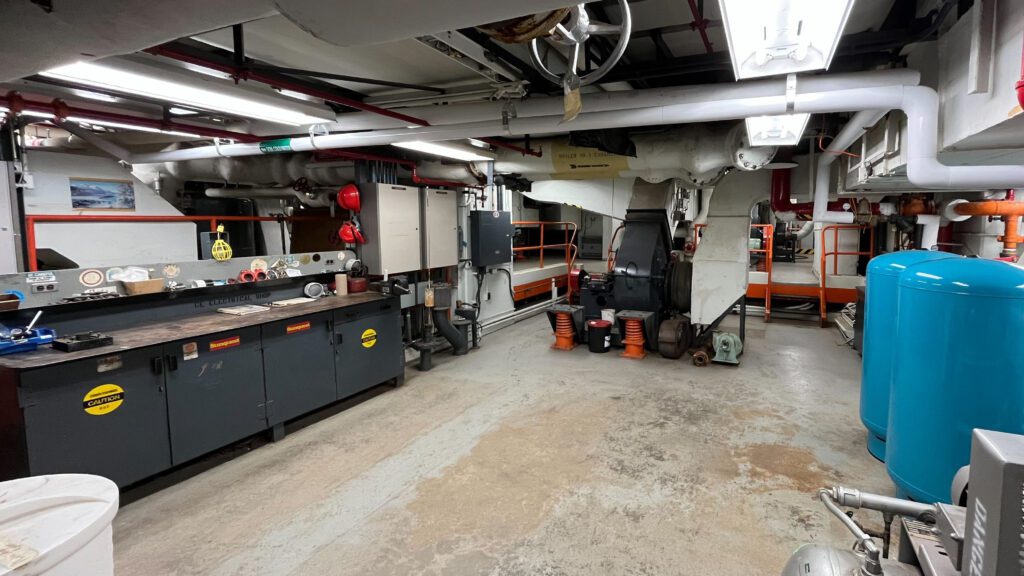
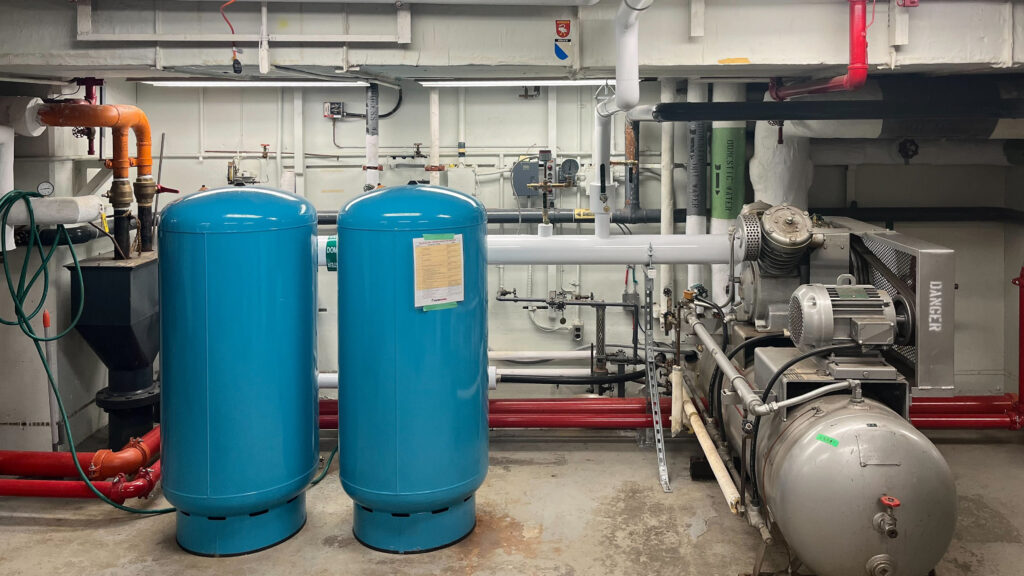
- We undertook a plumbing upgrade to improve reliability and reduce the risk of water loss. The project included decommissioning old pipes and installing new piping to help future-proof the site’s washrooms.
- We also updated the fire panel and combined public address system, to meet current compliance standards while enhancing visitor safety.
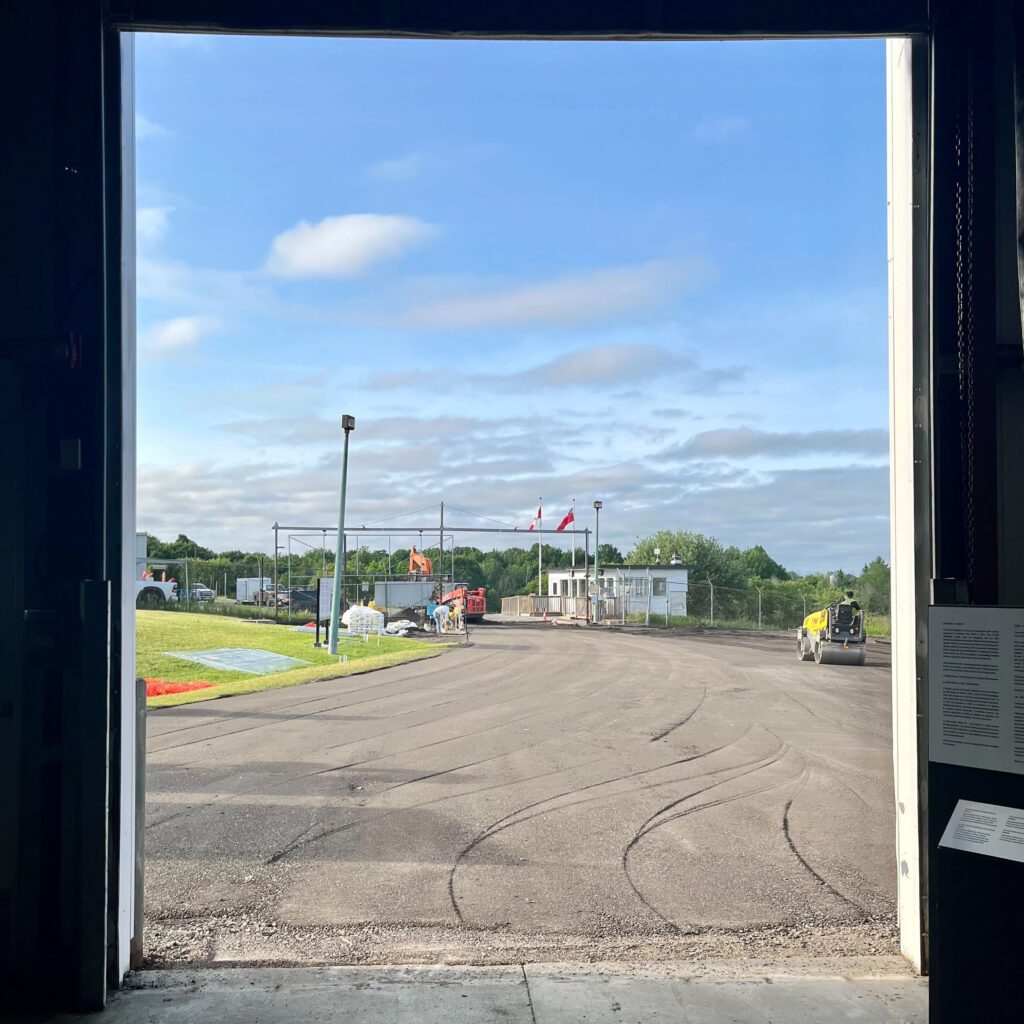
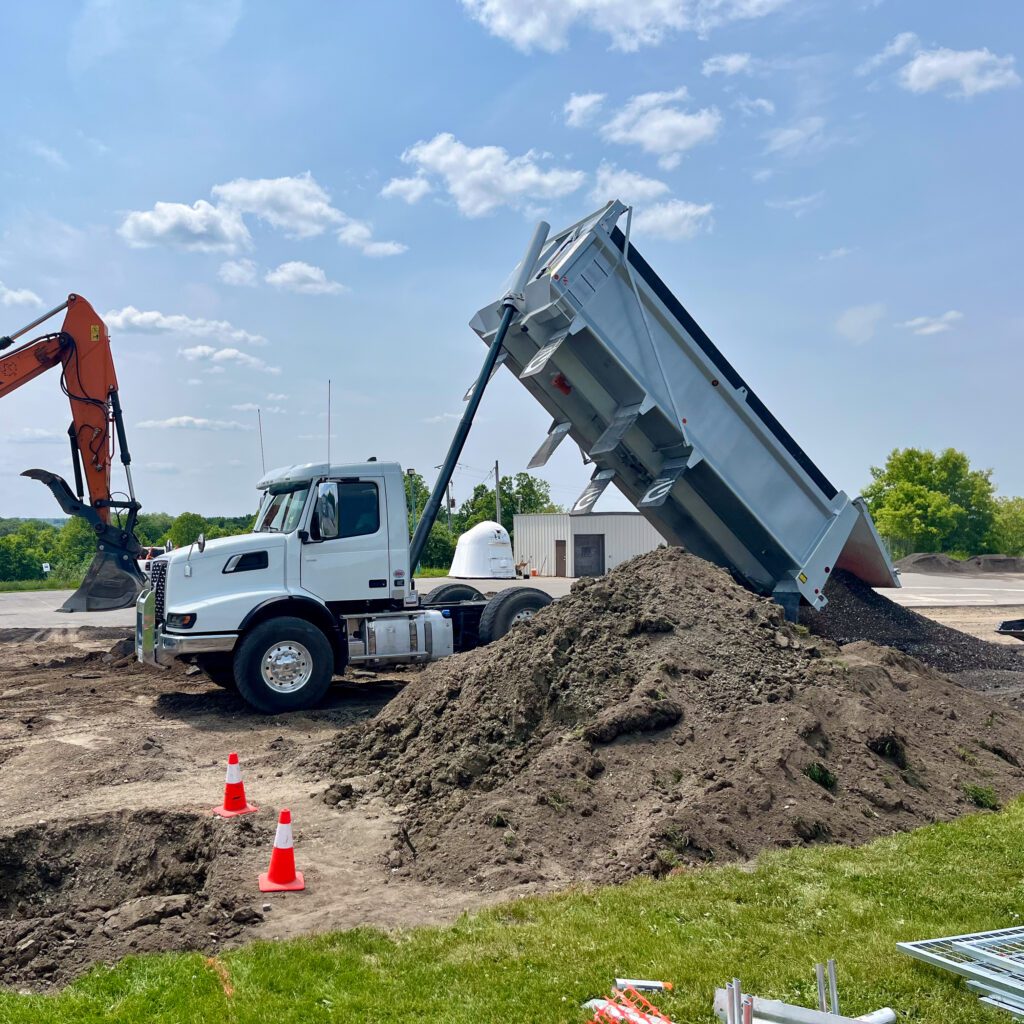
- The historic Helipad area outside the Diefenbunker underwent extensive restoration. A large section was resurfaced to resolve subsurface issues and relevel the ground, ensuring proper drainage. The paved area was also expanded to accommodate accessible outdoor seating for visitors. With a safe, smooth surface, the restored Helipad area removes previous barriers and hazards and improves accessibility at the museum entrance.
- Building on progress from previous years, approximately 95% of all light fixtures in the facility have now been retrofitted or replaced with LED technology, significantly enhancing energy performance.
- We updated controls for the facility’s emergency lighting systems, allowing us to conserve energy when emergency lighting is not required.
- Most recently, we completed an optimization project for the facility’s HVAC system. With the installation of variable frequency drives and new fan motors, the Diefenbunker’s ventilation system is now running more efficiently than ever.
The outcomes of these projects include improved energy efficiency, long-term sustainability of our mechanical systems, and increased accessibility across our facility. These improvements allow us to keep our blast doors open, welcoming guests to experience our one-of-a-kind programs. We look forward to seeing the meaningful impacts of these projects continue in the coming years.
Working on a national historic site
Maintaining and upgrading a national historic site like the Diefenbunker comes with unique challenges. We must carefully balance the integrity and historic nature of the site with necessary system upgrades, keeping physical features in situ wherever possible.
For example, during the decommissioning of plumbing fixtures and piping, original plumbing fixtures were capped and left in place instead of being removed, and the new water distribution system was installed around existing piping infrastructure, avoiding creating new openings in the structure.
Further, our team thoroughly documents all work done in the facility, before, during, and after undertaking projects, to maintain a historical record.
As we continue to grow, we remain committed to maintaining the integrity of this national historic site while improving accessibility, sustainability, and the overall visitor experience. Each improvement, both seen and unseen, allows us to continue welcoming visitors underground and sharing Canada’s Cold War story for years to come.
All projects were made possible thanks to an investment from Housing, Infrastructure and Communities Canada through its Green and Inclusive Community Buildings Program.


This project is funded in part by the Government of Canada. | Ce projet est financé en partie par le gouvernement du Canada.